Strategies for Sustainable Business Growth: Innovating with Integrity


Understanding Sustainable Business Growth
Sustainable business growth is more than just a buzzword; it is a critical strategy for long-term success in today's competitive marketplace. Companies that focus on sustainability not only benefit the environment but also enhance their brand reputation and customer loyalty. This approach requires a commitment to innovation with integrity, ensuring that growth doesn't come at the expense of ethical standards.
Businesses aiming for sustainable growth should focus on balancing economic, environmental, and social factors. This balance leads to increased efficiency, reduced costs, and the creation of new opportunities for innovation.
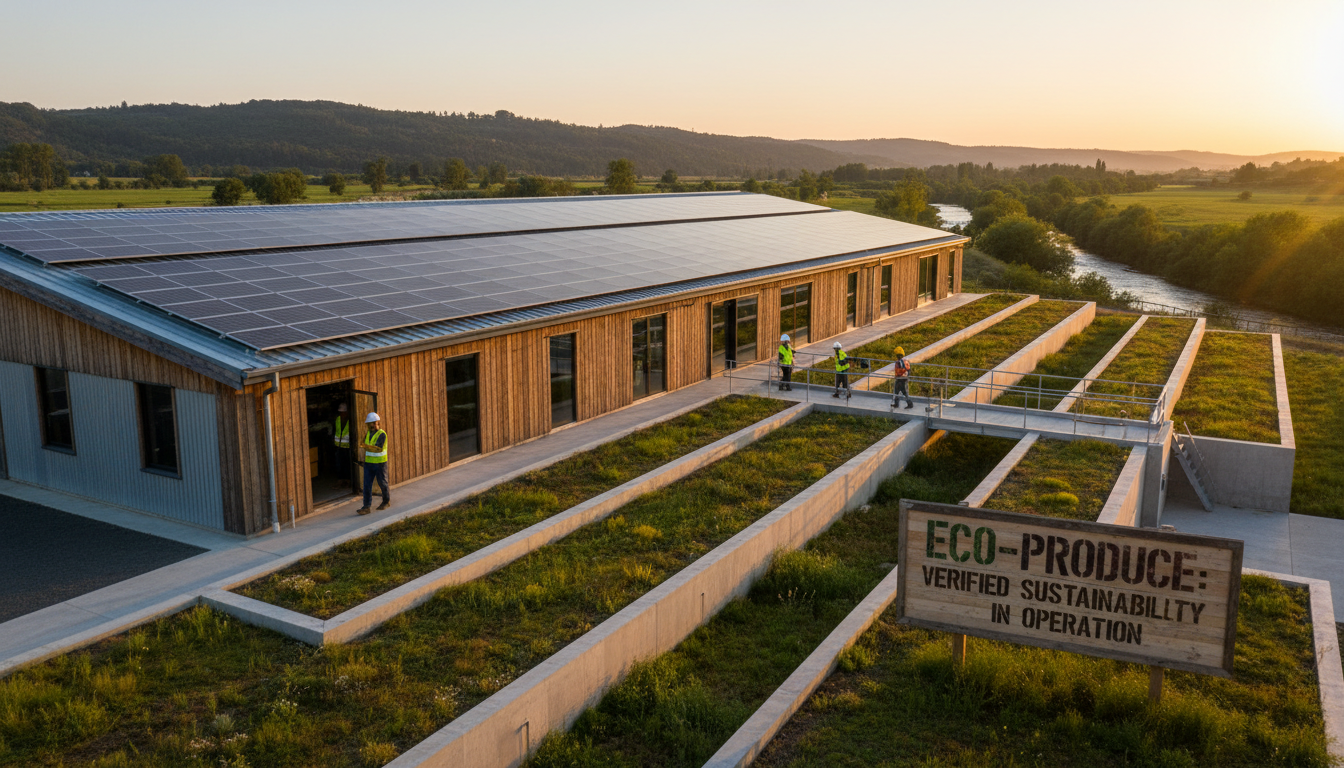
Embracing Innovation with Integrity
Innovation is the driving force behind sustainable growth, but it must be pursued with integrity. This means developing new products, services, or processes that are not only profitable but also ethical and environmentally friendly. Companies can achieve this by fostering a culture of transparency and accountability.
One effective strategy is to involve stakeholders in the innovation process. By engaging employees, customers, and partners, businesses can gain valuable insights and ensure that new initiatives align with their core values.

Leveraging Technology for Sustainability
Technology plays a pivotal role in driving sustainable growth. By utilizing cutting-edge tools and platforms, businesses can enhance their operations, reduce waste, and minimize their carbon footprint. Examples include using AI for energy management, adopting cloud computing to reduce physical infrastructure, and implementing data analytics for efficient resource management.
Moreover, technology enables companies to better track and measure their sustainability efforts, providing transparency and accountability to stakeholders.
Building a Resilient Business Model
To achieve sustainable growth, businesses need to build resilient models that can adapt to changing market conditions. This involves diversifying revenue streams, investing in research and development, and continuously improving operational efficiencies.
Resilience also means being prepared to navigate challenges, such as economic fluctuations or supply chain disruptions, without compromising on ethical values or sustainability goals.
Fostering a Sustainable Corporate Culture
Creating a corporate culture that prioritizes sustainability is essential for long-term success. This involves setting clear goals and expectations, providing training and resources, and incentivizing sustainable practices among employees.
Leadership should lead by example, demonstrating a commitment to sustainability in decision-making and daily operations. This can help embed sustainability into the organization's DNA, making it a natural part of the business process.

Engaging with the Community
Engagement with the community is a crucial aspect of sustainable business growth. By working closely with local communities, businesses can better understand their needs and contribute positively to social and environmental well-being.
This engagement can take many forms, such as supporting local initiatives, partnering with non-profits, or implementing community-focused projects. It helps build trust and strengthens the company's reputation, ultimately contributing to sustainable success.

In conclusion, sustainable business growth requires a comprehensive approach that integrates innovation, integrity, technology, resilience, corporate culture, and community engagement. By focusing on these areas, businesses can not only achieve lasting success but also make a positive impact on the world.